
Dealing with coffee and red wine stains that toothpaste alone won't touch? Dentist Open Now connects you with a specialist in Brooklyn, OH who treats this specific issue every week, not occasionally.
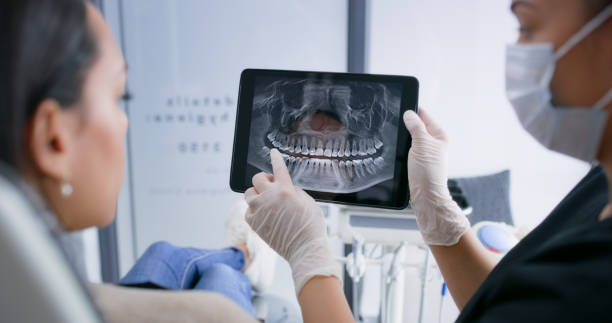
One call gets you matched with a specialist and a confirmed time — not a callback promise.
+1-866-227-2801 Call Now
Not all discoloration responds the same way to whitening, which is why a proper consult starts by identifying whether the staining is surface-level or set deeper in the tooth. Surface staining from food and drink typically responds fastest to professional-strength whitening treatments. Intrinsic staining, like the kind caused by certain medications or old trauma to a tooth, may need veneers or bonding instead of whitening alone.
Professional treatments use stronger whitening agents than anything sold over the counter, applied under supervision to protect your gums. Take-home trays with custom-fitted guards are often paired with the in-office visit for touch-ups down the road.
Results fade faster for patients who go right back to the same staining habits, which is why most providers give you a short list of things to avoid for the first 48 hours. A touch-up tray a few times a year is usually enough to maintain the brighter shade long-term.
Clinical-grade whitening agents lift stains faster than anything available without a prescription.
A protective barrier shields your gums from the whitening gel during the entire treatment.
A single appointment is usually enough for a visible shade improvement, unlike gradual take-home-only kits.
A custom-molded tray extends your results well past the initial in-office treatment.
Our network specialists cover the full range of this procedure, from the routine case to the complicated one.
A single session using clinical-strength gel activated under controlled light or heat.
Ideal for gradual whitening or ongoing touch-ups after an initial in-office visit.
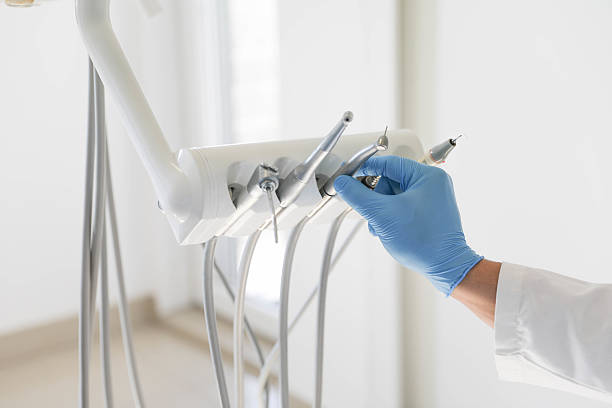
Your provider identifies the stain type first so the right whitening approach is chosen.
Desensitizing gel and adjusted treatment timing help patients prone to tooth sensitivity.
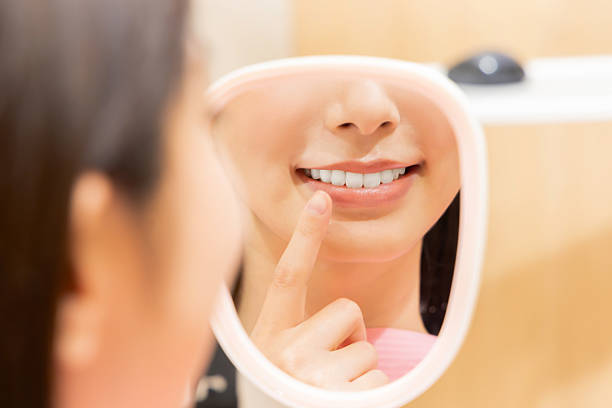
An exam checks for cavities or exposed roots that whitening gel could otherwise irritate.
Deeper stains on individual teeth are sometimes masked with bonding rather than repeated whitening cycles.
A coordinator answers and asks a few quick questions about your specific case and how soon you need care.
We match you with a nearby specialist experienced in this exact procedure and check real-time openings.
You get a clear explanation of the treatment plan and its cost before any work begins.
You leave with the issue addressed and a plan for any next steps already scheduled.
"They walked me through the cost and the procedure before I agreed to anything. Appreciated that."
"Got in faster than I expected for something this specific. Staff were sharp and direct."
"No upsells, no pressure. Just the treatment I needed at the price I was told."
Most patients see a noticeable difference, though the exact shade change depends on the type of staining present.
Desensitizing steps are built into the protocol for patients who are prone to sensitivity.
Results typically last six months to two years depending on diet and habits like coffee or smoking.
Professional treatment is monitored for gum protection and uses controlled concentrations, unlike unsupervised home kits.
Whitening isn't recommended during pregnancy, and intrinsic stains from certain medications may need alternative treatment.
Pricing is confirmed upfront and varies based on the specific whitening method chosen.
We keep an updated roster of specialists across Brooklyn and the surrounding zip codes, so a nearby provider is already in our network.
Licensed to practice in OH, credential-checked before joining the network.
Call now and a real coordinator will match you with a specialist and a confirmed time.
Call +1-866-227-2801 Now